
Dietitian Johannesburg, Charne Smit
Charne Smit is a registered dietitian at Equilibrium Health in Modderfontein, Johannesburg, registered since 2011. She provides personalised nutrition therapy for diabetes and prediabetes, weight management and neurological rehabilitation, and is a trained diabetes educator.
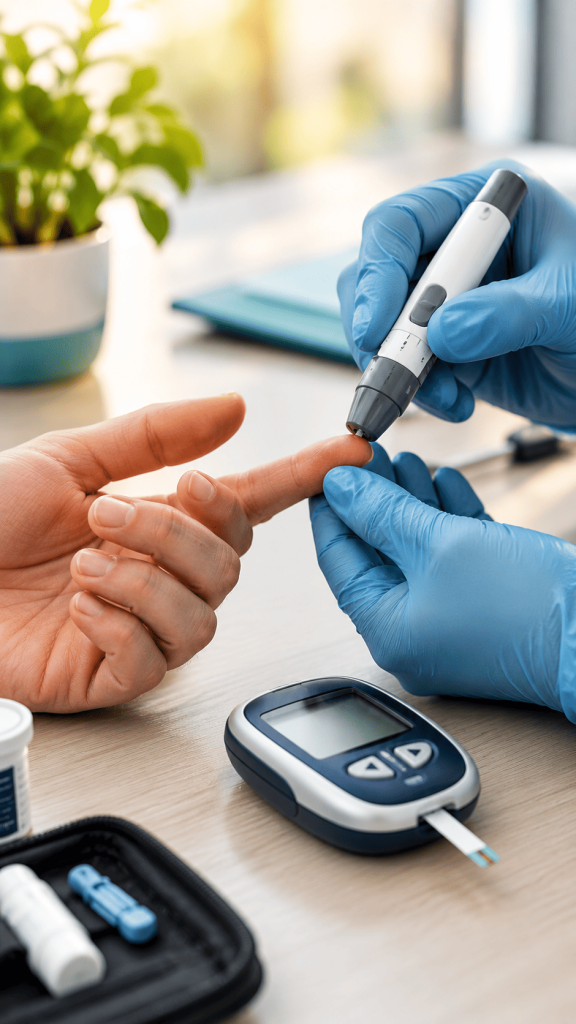
What does a dietician do?
A dietitian is a health professional registered with the HPCSA who is trained to treat medical conditions such as diabetes through diet. Nutritionists are also regulated in South Africa, but generally focus on general nutrition and health promotion rather than medical nutrition therapy.
How a dietitian helps you manage diabetes
- Reviews your blood results, medication and current eating pattern.
- Builds a meal plan around your culture, budget and routine.
- Teaches carbohydrate awareness, portion sizes and food labels.
- Times meals and snacks around your medication and activity.
- Supports weight and heart-health goals alongside your doctor.
- Follows up and adjusts the plan as your results change.
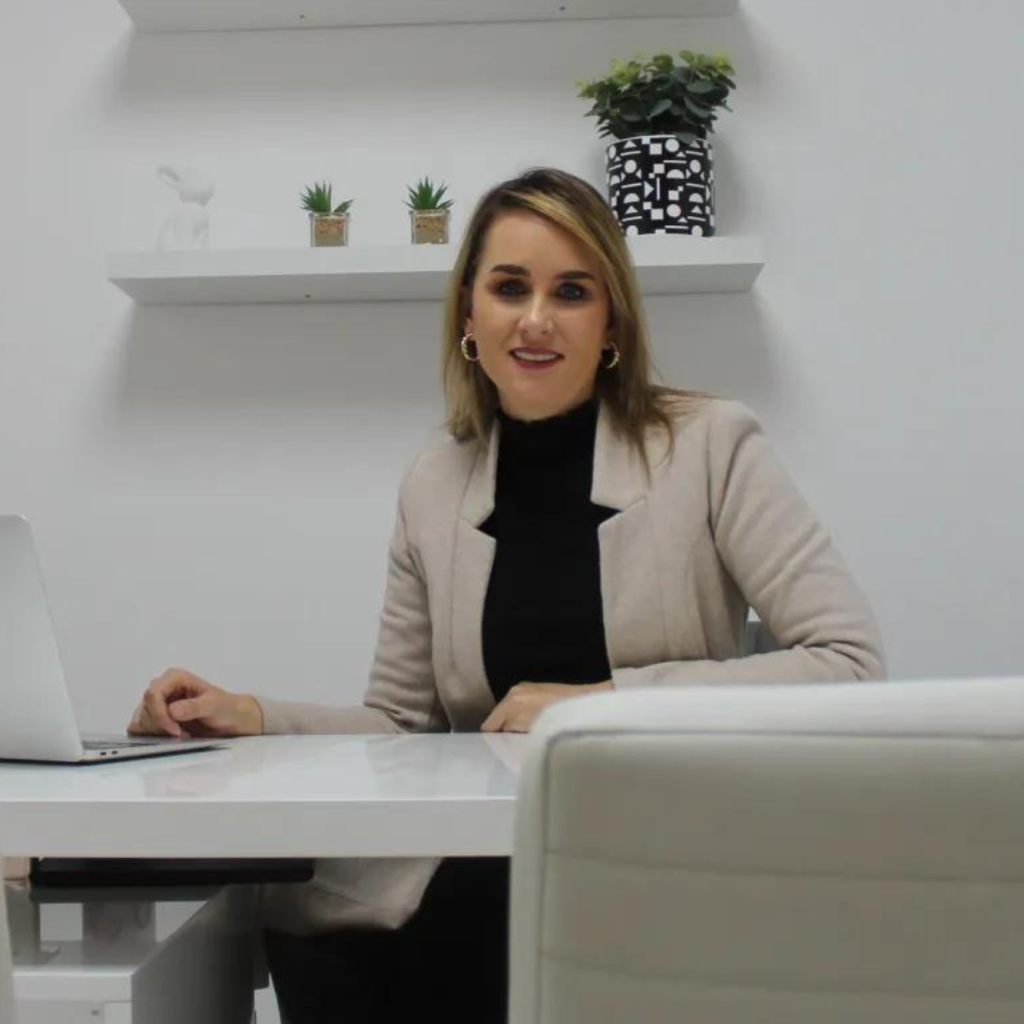
Charne Smit
Registered dietitian in Modderfontein, Johannesburg, specialising in diabetes care, weight management and neuro-rehab nutrition at Equilibrium Health.
Charne Smit is a registered dietitian at Equilibrium Health (EQH Medical) in Modderfontein, Johannesburg. Registered since 2011, she provides personalised nutrition therapy for diabetes, weight management and neurological rehabilitation, and is a trained diabetes educator with specialised training from the Centre for Diabetes and Endocrinology.
Charne Smit is a registered dietitian who consults at Equilibrium Health (EQH Medical), a multidisciplinary medical centre at Unit 3, 67 Brahman Crescent, Westfield, Modderfontein, Johannesburg. She has been a registered dietitian since 2011 and provides personalised medical nutrition therapy for people who want to manage diabetes or prediabetes, reach a healthier weight, or meet the nutritional needs that come with neurological conditions. Charne has specialised training from the Centre for Diabetes and Endocrinology and works as a diabetes educator, helping patients understand how food, medication and activity affect blood sugar. At Equilibrium Health she works alongside Dr Nick Petropoulos, a general practitioner and obesity medicine physician, so nutrition advice is coordinated with your medical care and blood results. Consultations are by appointment.
Call 010 500 7541 or book through our contact page.
Frequently asked questions
What does a dietitian do?
A registered dietitian (also spelled dietician) uses nutrition science to prevent and manage health conditions through food. They assess your diet and medical history, build a personalised eating plan, teach practical changes and monitor your progress. Dietitians help with conditions such as diabetes, high blood pressure, high cholesterol and weight management, and their work goes well beyond weight loss
What is the difference between a dietitian and a nutritionist in South Africa?
Both titles are protected and regulated by the HPCSA's Professional Board for Dietetics and Nutrition. Dietitians are trained to provide medical nutrition therapy, which means treating diagnosed conditions such as diabetes through diet. Nutritionists generally focus on general nutrition and health promotion. Always check that any practitioner is registered.
How do I check that a dietitian is registered?
In South Africa only practitioners registered with the HPCSA may call themselves dietitians. You can verify registration on the HPCSA website, and a registered practitioner must show you their practice card on request.
What should I bring to my first dietitian appointment?
Bring your recent blood results (including HbA1c if you have diabetes), a list of your medication and supplements, and a food diary of what you eat and drink over several days. Write down questions about how food, activity and your medication affect your blood sugar so you can use the time well.
Does medical aid cover a dietitian in South Africa?
Cover depends on your scheme and plan. Some schemes include dietitian consultations within chronic or diabetes care programmes, and some pay from day-to-day or savings benefits. Diabetes is on the Prescribed Minimum Benefit Chronic Disease List, so ask your scheme whether your approved diabetes benefit includes dietitian visits. Our rooms can help you check your benefits.
How many sessions will I need?
It depends on your goals and your condition. You will usually start with a detailed first consultation, followed by shorter follow-ups so the plan can adjust to your results. Research on medical nutrition therapy has found that continued follow-up with a dietitian helped maintain HbA1c improvements for up to two years in adults with type 2 diabetes.
What should I eat if I have type 2 diabetes?
There is no single diabetic diet. An individualised plan built around vegetables, high-fibre and lower-GI carbohydrates, lean protein and healthy fats works for most people, with portions matched to your medication, activity and weight goals. You do not need special "diabetic foods". A dietitian tailors the plan to your blood results, culture and budget.
What foods should I avoid if I have diabetes?
For most people no food is completely off-limits, but some are best limited because they raise blood sugar quickly or add heart risk. These include sugary drinks, sweets and baked goods, refined white starches, fried and processed foods, and alcohol, which can cause low blood sugar. Portion size and frequency matter more than a banned list, and a dietitian shows you where your own limits are.
Can diabetics eat sugar?
Sugar does not have to be banned, but it counts as carbohydrate, and sugary drinks and sweets raise blood glucose fast. Small amounts can fit into a planned meal when your overall carbohydrate intake and medication are accounted for. Your dietitian will show you how much works for you.
Do I have to cut out carbohydrates if I have diabetes?
No. Carbohydrates are part of a healthy diet for people with diabetes, and the type and portion matter most. Diabetes UK describes low-carbohydrate eating as one option for some people with type 2 diabetes who need to lose weight, with professional support. If you take insulin or certain diabetes tablets, cutting carbohydrates suddenly can cause low blood sugar, so make changes under supervision.
Can I eat pap (mieliepap) if I have diabetes?
Yes, in controlled portions. Hot maize-meal pap has a high glycaemic index, but South African glycaemic index data suggest that cooking it and then cooling it lowers the blood sugar response. Pair pap with protein and vegetables, measure your portion, and avoid stacking it with other starches at the same meal. Whole or unsifted maize meal adds fibre.
Is fruit allowed with diabetes?
Yes. Whole fruit provides fibre and nutrients, and portion size is the key: one portion at a time, spread across the day. Choose whole fruit over juice, dried fruit or fruit canned in syrup, which add sugar or concentrate it.
Is intermittent fasting safe if I have diabetes?
It depends on your medication and health. Some people with diabetes do well with intermittent fasting, but fasting while taking insulin or sulfonylurea tablets can cause dangerously low blood sugar and may need dose changes from your doctor. Speak to your dietitian and doctor before you start.
Can type 2 diabetes go into remission with diet?
Some people with type 2 diabetes reach remission, meaning normal blood sugar without glucose-lowering medication, mainly through sustained weight loss, especially soon after diagnosis. It is not a cure: blood sugar can rise again if weight returns, so monitoring continues. Never stop or change diabetes medication without your doctor.
What is prediabetes, and can changing my diet help?
Prediabetes means your blood sugar is higher than normal but not yet in the diabetes range. It is a warning stage, and healthy eating, regular physical activity and weight loss can lower the risk of progressing to type 2 diabetes. A dietitian can set practical targets, and a blood test through your doctor confirms where you stand.
Can a dietitian help me lose weight if I have diabetes or prediabetes?
Yes. In type 2 diabetes, even modest weight loss of a few kilograms can improve blood sugar control and heart-health markers. At Equilibrium Health, Charne works with Dr Petropoulos, so your eating plan is coordinated with your medical assessment and any treatment he prescribes.
Do I need a dietitian if I am taking a weight-loss injection such as semaglutide or tirzepatide?
It helps. These medications reduce appetite, which can make it harder to meet your protein, fibre and fluid needs. A small study presented at ENDO 2025 linked lower protein intake with greater muscle loss during semaglutide treatment, particularly in older adults and women. Your dietitian sets a protein and meal plan for you, while medication decisions stay with your doctor.
Can a dietitian help with high cholesterol or high blood pressure?
Yes. Diet is a core part of managing both. People with diabetes are about twice as likely to develop cardiovascular disease, so lowering blood fats and blood pressure is part of good diabetes nutrition care.
How can nutrition help with a neurological condition or recovery?
Neurological conditions can change appetite, energy needs and muscle strength. Nutrition therapy aims to meet your energy and protein needs so you can preserve muscle mass and function and support quality of life. Charne has a particular interest in neuro-rehabilitation nutrition and tailors the plan to your condition and the rest of your care team.
How do I book an appointment with the dietitian at Equilibrium Health?
Call 010 500 7541 or use the contact page on eqhmedical.co.za to request an appointment. We are at Unit 3, 67 Brahman Crescent, Westfield, Modderfontein, and see patients from across Johannesburg east and north, including Sandton, Edenvale, Bedfordview, Kempton Park, Greenstone and Boksburg.