
Quick Answer: Metabolic Syndrome Treatment in Johannesburg Dr Nick Petropoulos Equilibrium Health Metabolic syndrome is a cluster of interconnected conditions: central obesity, high blood pressure, high blood glucose and abnormal cholesterol that…
Metabolic Syndrome Treatment in Johannesburg Dr Nick Petropoulos Equilibrium Health
Metabolic syndrome is a cluster of interconnected conditions: central obesity, high blood pressure, high blood glucose and abnormal cholesterol that together sharply increase the risk of heart disease, stroke and type 2 diabetes. At Equilibrium Health, metabolic syndrome is treated as one interconnected condition, not four separate problems.
What Is Metabolic Syndrome?
A patient is generally considered to have metabolic syndrome when they have at least three of five specific risk factors: central (abdominal) obesity, elevated blood pressure, elevated fasting blood glucose, elevated triglycerides and low HDL (‘good’) cholesterol. Central obesity and specifically visceral fat, the fat stored around the abdominal organs, sits at the centre of the syndrome, since visceral fat behaves as an active hormonal organ, releasing substances that directly worsen the other four risk factors.
The Four Conditions of Metabolic Syndrome and How Obesity Amplifies Each

Hypertension (High Blood Pressure)
Excess visceral fat contributes to high blood pressure through several mechanisms at once: it drives insulin resistance, which causes the kidneys to retain more sodium and fluid; it increases activity of the sympathetic nervous system, raising heart rate and vascular tone; and it alters hormone-like substances released by fat tissue that affect blood vessel constriction. Blood pressure often rises well before a patient notices any symptoms.

Type 2 Diabetes and Insulin Resistance
Visceral fat releases free fatty acids and inflammatory signals directly into the bloodstream, which interfere with how muscle, liver, and fat cells respond to insulin. As insulin resistance develops, the pancreas compensates by producing more insulin, until it eventually cannot keep pace, and blood glucose rises. Central obesity is one of the strongest predictors of this progression.
Hyperlipidaemia (Abnormal Cholesterol)
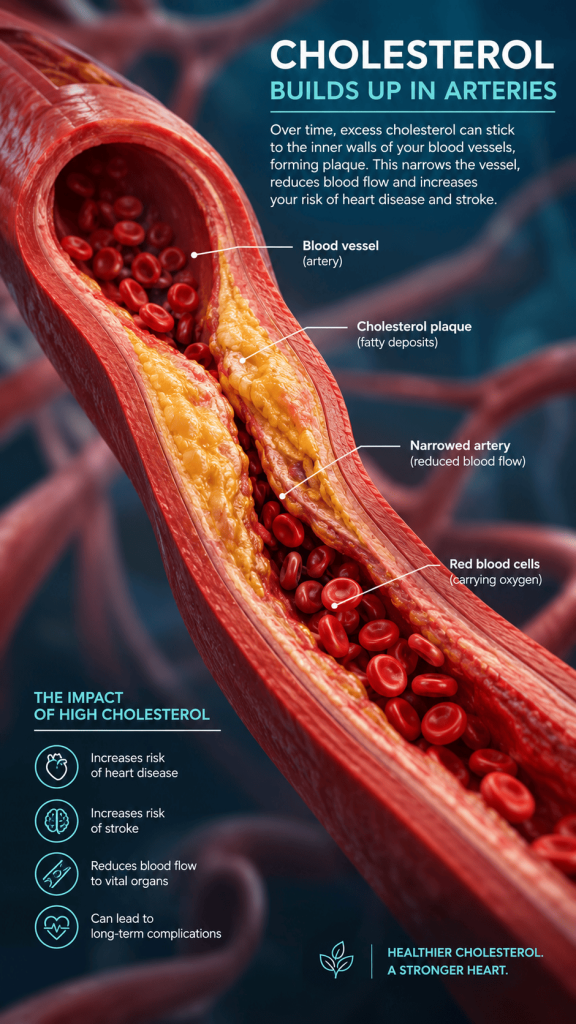
Obesity, particularly visceral obesity, drives the liver to produce more triglyceride-rich lipoproteins, while lowering protective HDL cholesterol and shifting LDL particles toward a smaller, denser, more artery-damaging form. This combination is a hallmark of metabolic syndrome and a significant driver of cardiovascular risk, independent of the total cholesterol number alone.

Fatty Liver (Metabolic-Associated Steatotic Liver Disease)
When the body’s capacity to store fat elsewhere is exceeded, fat begins accumulating in the liver itself. Left unaddressed, this can progress from simple fatty liver to inflammation and scarring of the liver over time. Fatty liver is now understood to be closely tied to the same insulin resistance and visceral fat driving the rest of metabolic syndrome, rather than a separate, unrelated condition.

Why Treating Metabolic Syndrome as a Whole Matters
Because visceral fat and insulin resistance sit behind all four conditions, addressing the root metabolic driver — rather than treating blood pressure, cholesterol, glucose, and liver health as four separate problems with four separate medications — often produces improvement across the board. This is consistent with clinical evidence: one published series found that an intensive, structured lifestyle intervention reversed the clinical diagnosis of metabolic syndrome in a majority of participants within just three weeks. At Equilibrium Health, metabolic syndrome is managed with this integrated approach: a full metabolic assessment, pharmacotherapy where appropriate, and dietitian-led nutritional support working on the shared root cause.
Frequently asked questions
What is Metabolic Syndrome?
A cluster of related conditions: central obesity, high blood pressure, high blood glucose and abnormal cholesterol that occur together and substantially raise cardiovascular and diabetes risk.
How many of the five criteria do I need to have metabolic syndrome?
Generally three or more of: central obesity, elevated blood pressure, elevated blood glucose, elevated triglycerides, and low HDL cholesterol, assessed together as part of a metabolic evaluation.
Can metabolic syndrome be reversed?
For many patients, yes. Because visceral fat and insulin resistance are the shared drivers, reducing visceral fat through an evidence-based combination of lifestyle change and, where appropriate, medication can improve or resolve multiple components of the syndrome at once.
Is metabolic syndrome the same as being diabetic?
No. Metabolic syndrome increases the risk of developing type 2 diabetes, but a person can have metabolic syndrome without yet being diabetic, which is exactly why early intervention matters.
Do I need separate specialists for blood pressure, cholesterol, and blood sugar?
Not necessarily. Because these conditions often share the same underlying driver, Equilibrium Health manages them together as part of one metabolic care plan, coordinating with your other healthcare providers where needed.